

A Long Stretch of Highway Can Change in Seconds
Early morning traffic along the interstate often feels calm. The road stays flat, the miles pass quickly, and drivers settle into a routine. Then one sharp curve, one sudden lane change, or one overloaded trailer can send a tractor trailer onto its side. We see these crashes often during I-37 towing calls, and often they begin with a few common mistakes.
A tractor trailer rollover creates a major hazard for everyone nearby. Cargo can spill across the road, fuel may leak, and traffic can stop for hours. We believe the best way to lower the risk is to learn what causes these crashes in the first place. Once drivers know the warning signs, they can make smarter choices behind the wheel.
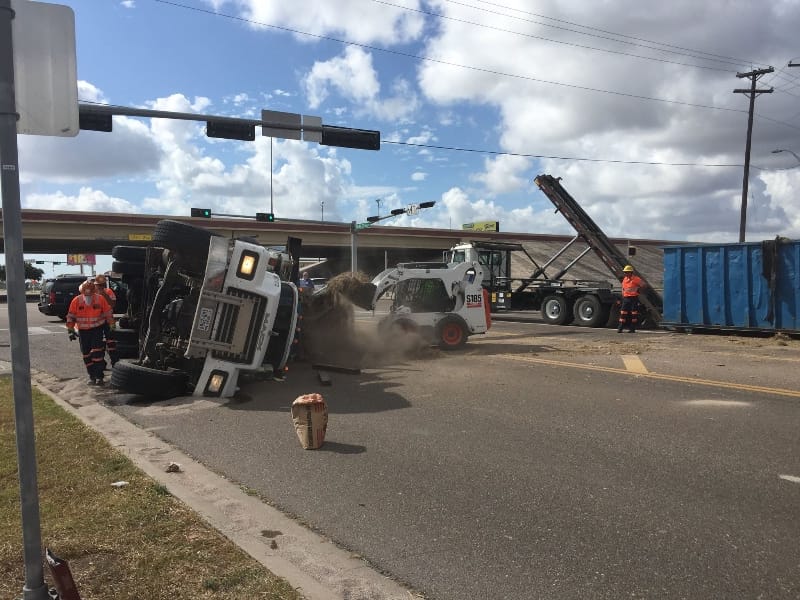
Speed Plays the Biggest Role
Many rollover crashes begin with too much speed. A tractor trailer has a high center of gravity, so it shifts more weight during a turn than a smaller vehicle. If a driver enters a curve too fast, the trailer can lean hard to one side and lose balance.
Entrance ramps, exit ramps, and rural curves create the highest risk. Wet roads make the problem even worse because the tires lose grip more easily. We always encourage drivers to slow down before the curve instead of braking during it.
Uneven Cargo Can Throw Off the Trailer
Cargo needs to sit evenly inside the trailer. When heavy freight shifts to one side, the trailer becomes harder to control. A sudden move can cause the entire load to lean, especially during a turn or a quick correction.
We often suggest these loading habits to help reduce the chance of a rollover:
- Keep the heaviest items low in the trailer
- Spread cargo evenly from side to side
- Secure every load before the trip begins
- Recheck tie-downs after the first few miles
Quick Steering Movements Create Trouble
Drivers sometimes react too fast when another car cuts them off. They jerk the wheel to avoid a collision, then swing back into their lane. That sharp motion can make the trailer sway and tip.
Large trucks need more space and more time to respond. We recommend staying calm, easing off the accelerator, and steering in a smooth, steady motion. Small corrections keep the trailer balanced and give the driver more control.
What Drivers Can Do Before Trouble Starts
A rollover rarely happens because of one issue alone. Most crashes involve speed, cargo, weather, and driver decisions all at once. We encourage drivers to build simple habits that lower the risk every day.
Check the Truck Before Every Trip
A pre-trip inspection gives drivers a chance to catch problems before they reach the highway. Tires with low pressure can affect handling. Worn brakes make it harder to slow down before a curve. A suspension problem can cause the trailer to lean more than usual.
We always remind drivers during our I-37 towing service calls that a five-minute inspection can save hours of trouble later. During responses, we often find that a small issue grew into a major crash because nobody checked the truck before the trip.
Stay Alert During Wind and Rain
Strong wind pushes against the side of a trailer and can shift it out of line. Rain lowers traction and increases stopping distance. Drivers need to slow down and leave more room around them during bad weather.
We tell drivers to avoid cruise control in heavy rain and keep both hands on the wheel in strong wind. Our I-37 towing crews see more rollover crashes on stormy days than at any other time of year.
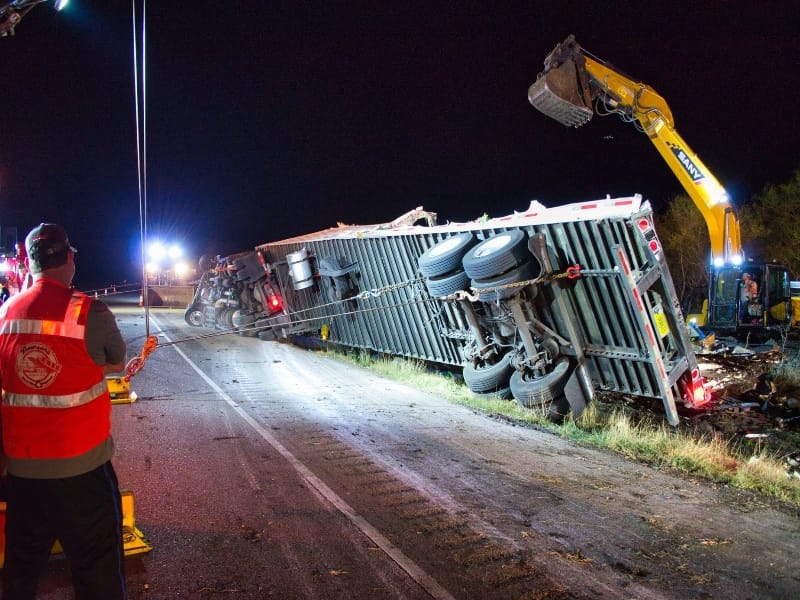
How Apollo Towing Handles I-37 Towing After a Rollover
When a rollover happens, the scene needs quick action and a clear plan. At Apollo Towing, we respond to I-37 towing calls with heavy-duty wreckers, recovery equipment, and trained operators who know how to manage large commercial vehicles. We work carefully to clear the road, recover the truck, and protect the cargo.
Our team handles I-37 towing for tractor trailers, box trucks, and loaded commercial rigs. We also help with winching, accident recovery, and roadside support. During every I-37 towing job, we focus on getting traffic moving again and helping drivers move forward after a difficult day.
FAQ
What causes most tractor trailer rollovers?
Most rollover crashes happen because the truck enters a curve too fast. Poor weather, uneven cargo, and sudden steering can add even more risk.
Can an empty trailer roll over more easily?
Yes. An empty trailer can bounce and shift more than a loaded one. Strong wind can also push it more easily, especially on open roads.
How does cargo placement affect truck stability?
Cargo that sits too high or too far on the side can make the trailer lean. Drivers should place heavy items low and spread the weight evenly.
What should a driver do if a trailer starts to lean?
The driver should stay calm, avoid jerking the wheel, and slowly reduce speed. Fast steering movements can make the rollover worse.
Do weather conditions increase rollover risk?
Rain, wind, and icy roads can all increase the change of a rollover. Drivers need to slow down and leave extra room during bad weather.
How often should drivers inspect their trucks?
Drivers should inspect the truck before every trip. A quick check of the tires, brakes, suspension, and cargo securement can help prevent major problems.