

Machine Down? Job Paused!
A loader slid sideways on wet caliche, a skid steer hit a soft trench edge, or an excavator lost a track halfway through grading work. That is usually how these calls start in Corpus Christi. A job site accident can turn one damaged machine into a scheduling problem, an insurance file, and a Corpus Christi equipment transport call before lunch.
The first thing we look at is where the vehicle or machine ended up. Is it on a slope? Is the boom raised? Did the bucket dig in? Is the ground soft enough to sink a rollback or lowboy? Those answers decide how we move the equipment without turning one accident into two.
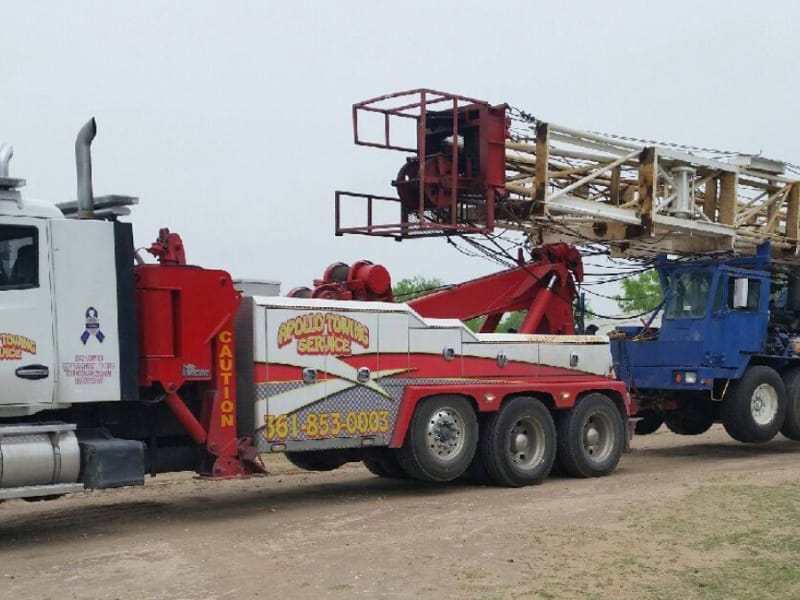
When Damage Changes the Transport Plan
A machine that still starts may not be able to load itself. We see bent arms, blown hydraulic lines, cracked wheels, broken tracks, and damaged attachments after job site accidents. One small impact can leave a machine unable to steer, brake, lift, or climb a trailer ramp.
We do not assume the operator can “just drive it on.” That can work on a clean, level yard. It does not work so well when the machine is tilted, leaking fluid, sitting in mud, or missing part of its undercarriage. Sometimes the better move is to winch, lift, block, or reposition before transport begins.
What Dispatch Needs to Know
Good information helps us send the right truck the first time. A compact skid steer stuck behind a framing crew is different from a damaged excavator sitting in soft ground near a drainage cut. Weight matters, but so do height, width, attachments, access, and ground conditions.
Photos help more than people think. We usually ask for:
- Machine type and model
- Approximate weight
- Attachment details
- Whether it starts or rolls
- Any fluid leaks
- Site access photos
- Ground conditions near the machine
- The drop-off location for repairs or storage
That saves time once the crew arrives.
Soft Ground and Bad Access Slow Everything Down
After rain, some job sites near the coast hold water longer than expected. A machine may be sitting on ground that looks firm but acts soft once a recovery truck puts weight on it. That is where Corpus Christi equipment transport becomes a recovery job first and a hauling job second.
For Corpus Christi equipment transport, we pay attention to the path in and the path out. A narrow gate, low wire, stacked materials, deep ruts, or loose sand can change the whole setup. We may need to reposition equipment, use a different approach, or move the machine in short steps before loading it for transport.
Paperwork and Cleanup Are Part of the Call
After a job site accident, clear documentation and careful cleanup matter before equipment transport begins. Contractors may need photos, damage notes, pickup records, and drop-off details for insurance, rental companies, and repair shops. Crews also check for hydraulic oil, diesel, coolant, broken glass, loose parts, and bent metal before loading. Corpus Christi equipment transport works best when the destination, access, tie-down points, attachment position, trailer clearance, and blocking needs are confirmed early, so the damaged machine reaches inspection or repair without added damage or delays.
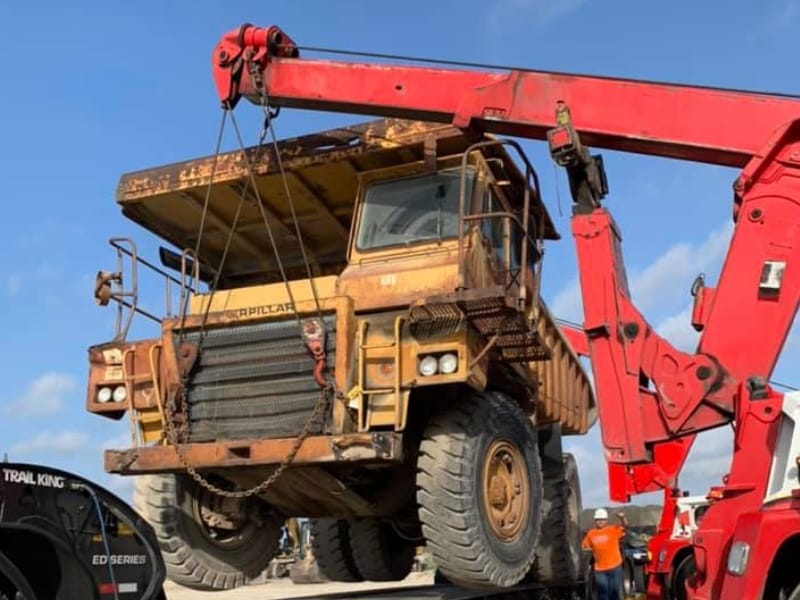
Apollo Towing: Your First Call for Corpus Christi Equipment Transport After Job Site Accidents
Apollo Towing handles towing, hauling, lifting, recovery, roadside service, off-road pull-outs, and local or long-distance transport for both consumer and commercial calls. Our Corpus Christi equipment transport work fits right into those services because damaged construction machines often need more than a basic haul. Since 2011, Apollo has also stayed active in the community through programs like No Excuses and Shattered Dreams, which focus on safer choices behind the wheel.
For contractors, rental companies, and equipment owners, our Corpus Christi equipment transport calls usually come down to access, machine condition, and timing. A damaged skid steer, loader, excavator, or lift can block work fast, especially when crews are waiting on the same machine to finish the day. In Corpus Christi, soft ground, tight sites, and coastal weather can turn a short move into a careful recovery before the trailer ever leaves the job site.
FAQ
What should a contractor do after equipment gets damaged on site?
Stop using the machine and keep people away from it. Take photos, note any leaks, and call the rental company, owner, or insurer if needed. Moving it too soon can make the damage harder to document.
Can construction equipment be hauled if it will not start?
Yes. Crews can often winch, lift, or load a disabled machine if they know the weight, access, and condition ahead of time. Photos help dispatch send the right truck.
What information helps before moving damaged equipment?
Share the machine type, model, weight, attachment size, and whether it rolls or steers. Also mention mud, slopes, gates, overhead wires, or tight turns near the pickup point.
Who is responsible for cleanup after a machine accident?
It depends on the job site, owner, and contract. The recovery crew may collect loose parts or help contain leaks, but larger spills may need an environmental cleanup team.
Can a rental machine be moved after an accident?
Usually, yes, but the rental company may want photos or approval first. Many rental companies prefer the machine go straight to their yard or an approved repair shop.
Why does soft ground make equipment hauling harder?
Soft ground can sink a tow truck, trailer, or damaged machine during loading. Crews may need boards, a different approach, or recovery equipment before hauling can begin.