

What Happens Before the Truck Arrives
A crash scene is disorienting by nature. Traffic keeps moving, adrenaline is high, and the vehicle may be sitting in an exposed position on the road. In a Corpus Christi accident recovery, the minutes between the crash and the truck’s arrival are not empty time. The decisions a driver makes in that window shape how the recovery proceeds and how protected they remain afterward.
Moving the vehicle immediately feels right, but that instinct often outruns the documentation that protects the driver later. Moving vehicles before photographing the scene removes information that insurers and law enforcement will ask about later.
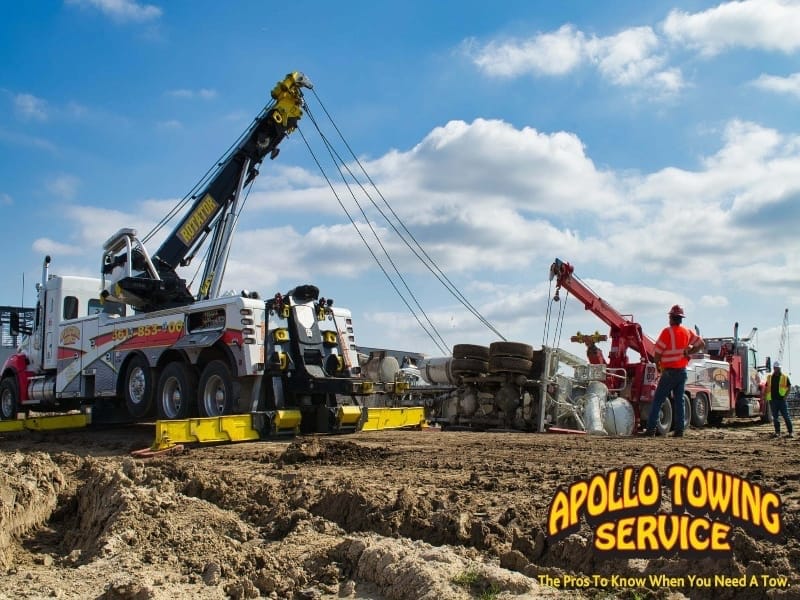
Build the Record While the Scene Is Still Intact
A crash scene holds evidence that disappears the moment vehicles are repositioned or debris is cleared. Photographs taken in the first few minutes often carry more weight in a claim than anything else.
A thorough scene record covers more than the vehicle damage. Before the tow truck arrives, work through this list:
- Photograph all vehicle positions before anything moves
- Capture close shots of every damaged surface on each vehicle
- Document the road surface, skid marks, and the debris field
- Frame nearby traffic signals, signs, and lane markings in the shots
- Collect the other driver’s license, registration, and insurance card
- Note the names and contact numbers of any witnesses present
Three Points Where the Situation Gets Worse
Moving the Vehicle Without Considering the Record
If the vehicle is not an immediate hazard, waiting for law enforcement before moving it is often the right call. A repositioned vehicle changes what investigators and adjusters can reconstruct later. If movement is necessary, photograph the original position before rolling an inch.
Leaving Before the Tow Operator Gets What They Need
Our operator needs key facts first: can it roll, did airbags deploy, are fluids leaking. Those details determine loading method and equipment. A driver who leaves early removes the best source of that information. If early departure is unavoidable, write down what you know and leave it with someone at the scene.
Assuming the Information Exchange Can Wait
The other driver’s insurance, license number, and plate should be collected at the scene in person. Reports take time, and a Corpus Christi accident recovery with complete information up front moves through the claim process faster. Do not rely on the police report alone to fill in what should have been gathered directly.
Once the tow truck arrives, our operators assess the vehicle before loading. A Corpus Christi accident recovery handled correctly prevents secondary damage and keeps the vehicle ready for shop inspection.
The scene documentation shapes the claim process directly. A Corpus Christi accident recovery starts the moment a driver reaches for their phone.
When you call for a Corpus Christi accident recovery, our dispatcher will ask about the vehicle’s condition. That information reaches the driver before they arrive.
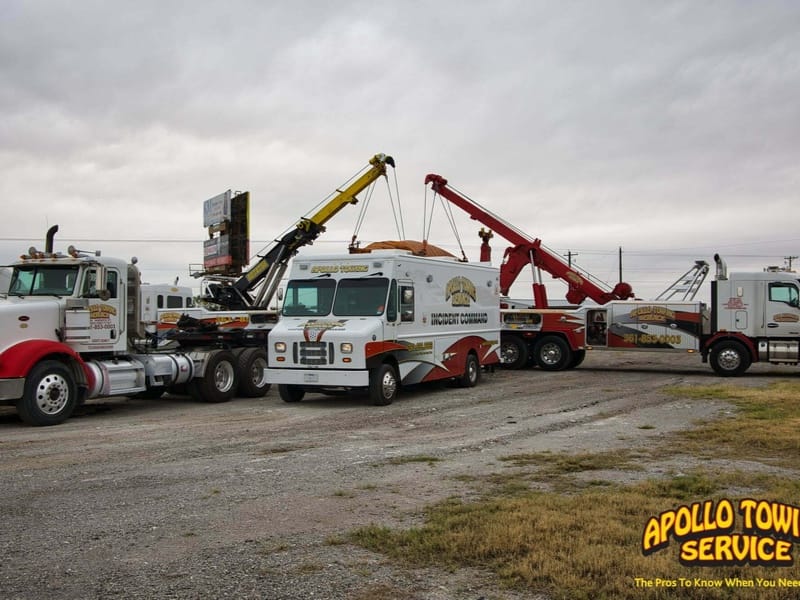
Apollo Towing: Corpus Christi Accident Recovery You Can Count On Around the Clock
Apollo Towing and Semi Truck Heavy Wreckers has served South Texas since 2011. Our fleet is the largest and newest in the region, covering Corpus Christi accident recovery calls 24/7. From light-duty rollbacks to heavy commercial wreckers, our 24/7 dispatch covers any vehicle in any condition.
Our operators work alongside law enforcement across the area and know what a well-handled scene looks like. Through “No Excuses” and “Shattered Dreams,” Apollo Towing has made road safety part of this company since the beginning. Call us any time and reach a team that arrives prepared for whatever they find.
FAQ
What should I do if the other driver leaves the scene before I can collect their information?
Note the vehicle’s make, model, color, and plate immediately. Call 911 and report the hit-and-run. Your own insurance company will need that information, and law enforcement may be able to identify the vehicle from the plate or nearby cameras. Do not pursue the other vehicle.
Can I move my vehicle before the police arrive?
If the vehicle is drivable and is blocking traffic or creating a safety hazard, most states allow and sometimes require you to move it to a safe nearby location. Take photographs of the original position first. If the vehicle is not drivable or is not blocking traffic, leave it until law enforcement documents the scene.
Does where I park after an accident affect my insurance claim?
It can. The tow destination affects how quickly an adjuster can inspect the vehicle and if the vehicle ends up in a secure, licensed facility. Moving the vehicle a second time after towing adds cost and can create gaps in the condition record that complicate the claim.
What is the difference between a tow and an accident recovery?
A standard tow moves a vehicle that is upright, rolling, and accessible. A recovery involves extracting a vehicle that is overturned, off-road, entangled, or not in a condition to be loaded conventionally. Accident scenes often require recovery rather than a straight tow, which is why the operator assesses the vehicle before deciding how to load it.
Should I wait inside the vehicle or outside after a crash?
If the vehicle is in a safe location away from traffic, staying inside with the seatbelt fastened reduces exposure risk. If the vehicle is stopped in a lane or on a curve with limited visibility, move to a safe position off the road and behind a guardrail if possible. Never stand between vehicles or in an active travel lane.
How do I document damage on a dark road or in poor weather?
Use your phone’s flashlight or the vehicle’s hazard lights to illuminate surfaces for photographs. Move around the vehicle and capture each panel, taking multiple shots from different angles. Even imperfect photographs in difficult conditions are more useful than no photographs at all.