

Haul in the Details
A dozer sitting behind a job site is one thing. A 70,000 pound excavator that has to leave a muddy lot near the port before daylight is another. In our area, here around Corpus Christi, heavy equipment moves get shaped by wind, soft ground, bridge routes, and refinery traffic. And of course tight delivery windows. That is why each and every Corpus Christi heavy transport job out towing team takes on starts with planning. And that’s before a truck ever backs up to the machine.
We ask a lot up front because guessing costs time in the end. What is the exact model? Does it run? Are the tracks packed with mud? Is there room to turn a lowboy around, or are we backing in from a two-lane road with pickups parked on both sides? These seemingly small but very important details decide the truck, the trailer, the route, and sometimes the whole schedule.
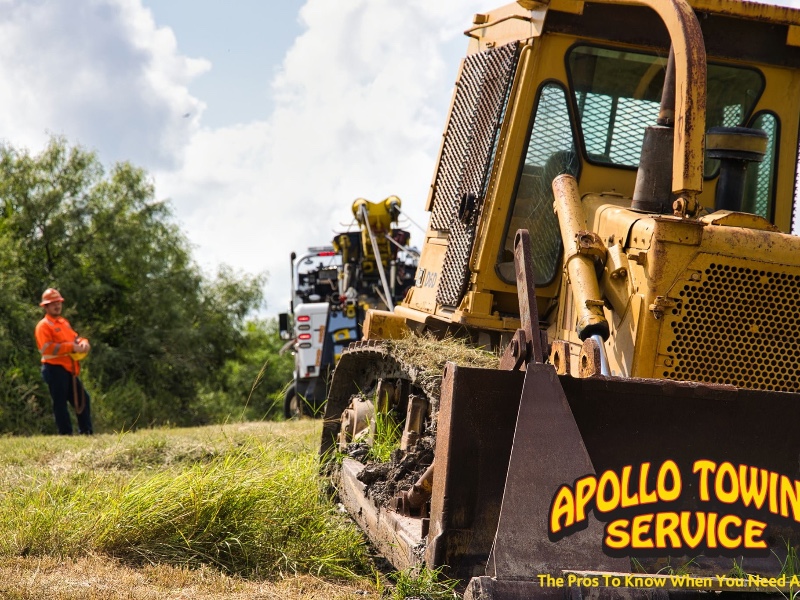
Weight, Height, Width, and the Stuff People Forget
Most folks know weight matters, but height and width can cause even bigger problems. A loader may be legal on one trailer and over height on another. A boom lift may look simple until we measure the tires, basket, and folded mast. We have seen jobs slow down because nobody checked the bucket, forks, blade, or counterweight before pickup.
The overlooked pieces add up, and they add up fast:
- Fuel level and battery condition
- Loose attachments
- Ground firmness at pickup
- Gate width
- Overhead wires
- Curbs and drainage ditches
- Room for loading ramps
One bad turn can turn a clean move into an all morning project.
Routes Around Corpus Christi Take Real Thought, Too!
Corpus Christi in itself has a local rhythm to it. We look at port traffic, refinery shift changes, school zones, construction on Crosstown Expressway, and the wind coming off the bay. A wide load on a calm Tuesday morning feels different than the same move at 4:30 p.m. with gusts pushing across the causeway.
Permits and escorts may be part of the job too. That depends on the dimensions, weight, and route. For Corpus Christi heavy transport, we would rather spend extra time checking the path than get stuck near a tight turn, low wire, or narrow shoulder. It sounds boring until you are sitting with a loaded trailer and no clean way out.
Loading Is Where the Plan Gets Tested
We can plan the Corpus Christi heavy transport job on paper, but the ground tells the truth when we show up. Sand, caliche, wet clay, and broken concrete all act different under a heavy trailer. Around job sites near the coast, the top layer may look firm and still sink once the truck gets lined up.
A running machine usually saves time, but it still needs a careful load. A dead machine changes the whole setup. Winching, blocking, steering, brake release, and safe angles all matter. Corpus Christi heavy transport often includes those slower steps that nobody notices from the road, especially with forklifts, skid steers, manlifts, excavators, and farm equipment that has been sitting awhile.
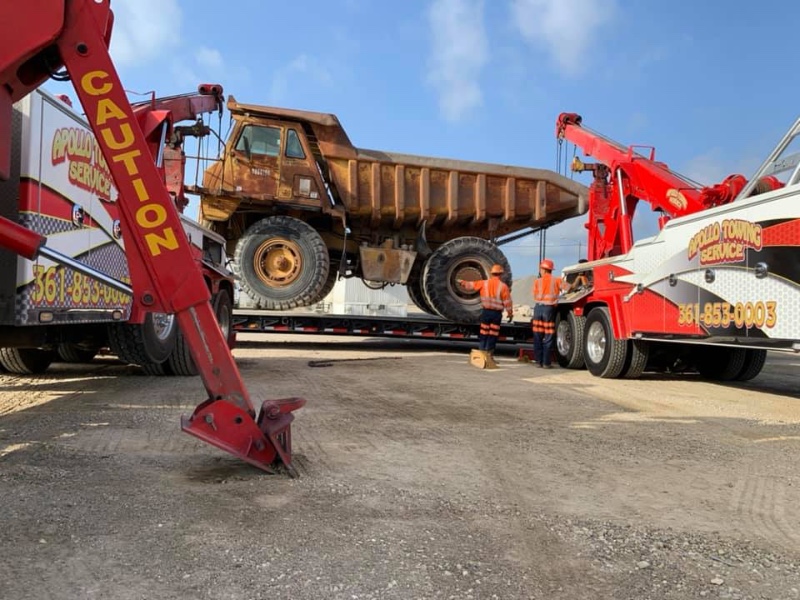
Apollo Towing: Corpus Christi Heavy Transport the Right Way
At Apollo Towing, we handle Corpus Christi heavy transport with the same mindset we bring to wreckers, equipment recovery, roadside calls, and local towing work. We want the move figured out before the truck is already blocking a gate. That means checking the machine, the site, the route, and the drop off point with enough detail to avoid the usual surprises.
We see a mix of calls in this area: equipment headed to port property, lifts going between commercial sites, construction machines moving after rain, and trucks needing help near I 37, SPID, and Leopard Street. Corpus Christi heavy transport is rarely one simple hook and go. Around here, the bay wind, tight yards, muddy lots, and busy industrial roads all get a say in how the job goes.
FAQs
How do you know what size trailer is needed for heavy machinery?
The trailer depends on the machine’s weight, height, width, and how it sits when loaded. Attachments can change the setup too. A bucket, forks, or counterweight may require a different trailer than the base machine alone.
What should I do before a machine gets picked up?
Clear space around the equipment and make sure someone on site can answer basic questions. It helps to know if the machine starts, steers, and brakes. Remove loose parts or let the towing crew know what needs to stay with the load.
Can a non-running piece of equipment still be moved?
Yes, but it usually takes more planning. The crew may need to winch it, release brakes, block wheels, or use extra rigging. Dead equipment often adds time because every movement has to be controlled.
Why does ground condition matter during loading?
Heavy trucks can sink or shift on soft ground. Wet dirt, sand, gravel, and broken pavement all create different problems. A firm loading area keeps the truck and equipment lined up correctly.
Do oversized equipment moves require permits?
Some do. Permit needs depend on total height, width, length, weight, and the roads used. The towing company should check those details before the move starts.
How far ahead should I schedule an equipment move?
Give as much notice as possible, especially for large, wide, or overweight loads. Same-day moves may work for simpler jobs. Bigger machines usually need route checks, permits, or escorts first.