

Mud, Metal, and Moving Day
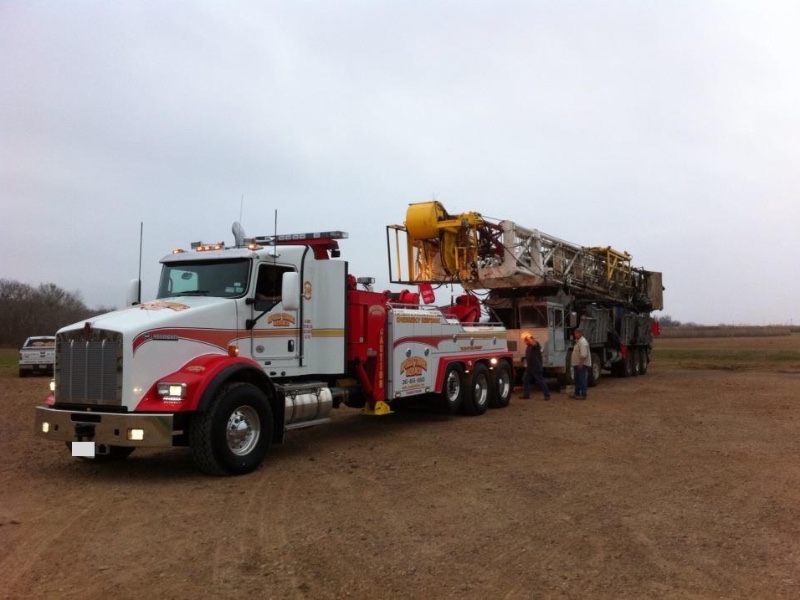
Odem sits in that mix of farm roads, work yards, highway access, and growing construction around San Patricio County. Heavy equipment moves between fields, construction sites, equipment yards, and repair shops all the time. Some moves are planned. Others start with a machine stuck in mud or sitting disabled where work has to keep going. Those two situations both get called Odem heavy equipment towing, but they are handled differently by our tow truck team.
What Kind of Move Does Your Equipment Really Need?
It’s naturally tempting to use recovery and transport interchangeably, but they solve completely different problems. Heavy equipment transport involves moving machinery from one location to another under planned conditions. Recovery starts when something has already gone wrong and equipment can no longer move on its own.
This means in practice: a contractor may call requesting Odem heavy equipment towing for a disabled excavator, only for us to discover the machine is sitting off the shoulder in deep mud. Before we can transport anywhere, we recover it first.
What Transport Usually Looks Like
Transport jobs tend to be scheduled ahead of time. A machine might need to move from one construction site to another, from a dealership to a customer, or from a ranch property to a repair facility.
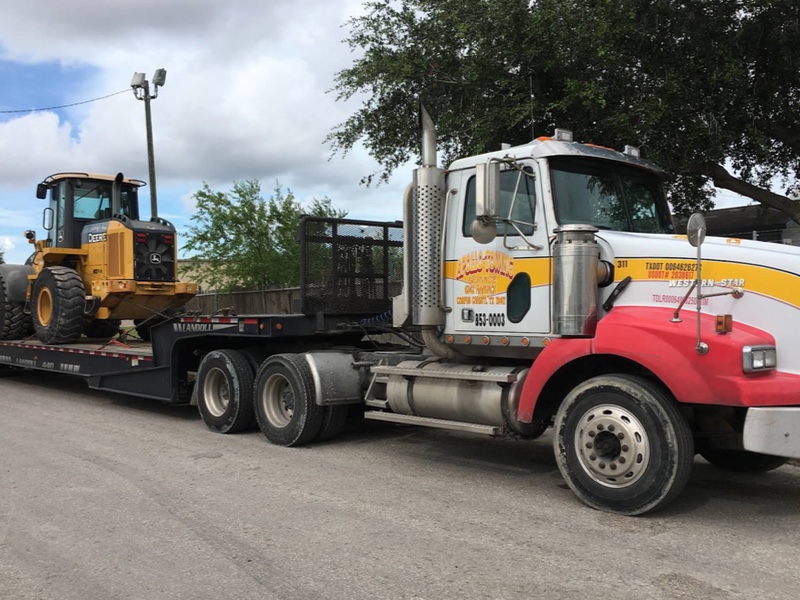
The equipment is often accessible and sitting on stable ground. The focus shifts toward loading, securing, route planning, and getting the machine to its destination without delays. Most transport jobs start with a simple conversation about dimensions, weight, and pickup location.
Recovery Jobs Bring More Variables
Recovery work is far less predictable. Ground conditions, weather, terrain, and equipment damage all affect the approach. We might arrive expecting a straightforward pull and find that a machine has sunk deeper overnight or shifted into a position that limits access.
We’re in South Texas. Rain can create problems in our usually hot, dry climate. Dirt access roads that seem solid in the afternoon can become soft enough to trap heavy machinery by the next morning. That’s when many recovery calls involve equipment that was operating normally just hours earlier.
Common Recovery Situations
Some of the situations that lead to recovery calls include:
- Equipment stuck in mud after rainfall
- Loaders sliding off road shoulders
- Tractors trapped in soft field entrances
- Excavators with failed hydraulic systems
- Skid steers tipped on uneven ground
Many of these calls eventually involve Odem heavy equipment towing, but the recovery process has to happen first before transport can even begin.
Why Preparation Makes Transport So Much Easier
One thing that separates successful transport jobs from delayed ones is preparation. Knowing machine weight, dimensions, attachment sizes, and site access details helps avoid surprises on moving day.
We always recommend having accurate information ready before scheduling Odem heavy equipment towing for transport purposes. A machine that appears straightforward from a distance can present challenges if it has oversized attachments, damaged tires, or limited loading access.
The same applies to site conditions. A narrow gate, overhead utility line, or soft loading area can add time to the job. Small details often determine how smoothly the move goes.
Apollo Towing Keeps Odem Heavy Equipment Towing Professional
At Apollo Towing, we spend a lot of time helping customers determine whether they need recovery, transport, or a combination of both. Many calls begin as requests for Odem heavy equipment towing and develop into recovery operations once we arrive and assess the situation.
Recovery work often requires patience. We simply cannot hook and pull a machine stuck near a drainage ditch or deep in a construction site without considering the ground beneath it. Transport work demands planning, proper loading, and attention to the route ahead. Both services play an important role in keeping projects moving.
Around Odem, we regularly see equipment traveling between farms, construction projects, utility jobs, and repair facilities. We also see machines stuck after storms, disabled along access roads, or immobilized by mechanical failures. Those day-to-day situations are what make Odem heavy equipment towing different from ordinary towing, and they are a reminder that moving heavy equipment is rarely as simple as it looks from the road.
FAQs
Can damaged equipment still be moved?
Yes. Many machines can be loaded and transported even if they will not start. The loading process may take longer depending on the condition of the equipment.
What information should I have before scheduling a heavy equipment move?
The machine’s make, model, weight, and dimensions are the most important details. Photos can also help identify potential loading challenges before arrival.
How long does a recovery job usually take?
Every situation is different. A machine on firm ground may be recovered quickly, while soft soil, steep terrain, or limited access can add significant time.
Do attachments need to be removed before transport?
Sometimes. Large buckets, booms, and other attachments can affect height, width, or weight requirements. It depends on the equipment and the route being used.
What causes heavy equipment to get stuck most often?
Wet ground is one of the biggest causes. Soft shoulders, loose fill material, and saturated job sites can all trap equipment that was moving normally just minutes earlier.
Can equipment be moved after a mechanical failure?
In many cases, yes. Dead engines, hydraulic problems, and transmission issues do not always prevent transport. The loading method may simply need to be adjusted.